Avoid hidden fees for rubbish removal in Barnet
Posted on 11/10/2026
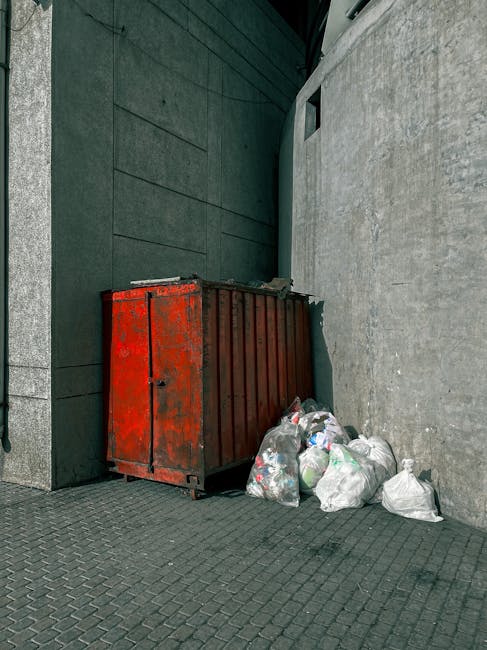
If you have ever booked a rubbish collection and then watched the final bill creep up for "extras" nobody mentioned upfront, you are not alone. Hidden fees are one of the quickest ways to turn a simple clearance into a frustrating day. And in Barnet, where homes, flats, gardens, shops, and renovation projects all create different kinds of waste, pricing can get messy fast.
This guide explains how to avoid hidden fees for rubbish removal in Barnet without wasting time, money, or patience. We will look at how pricing should work, what charges to question, which details matter before you book, and how to compare providers properly. You will also find a practical checklist, a comparison table, and a few real-world examples that make the whole thing easier to judge. Let's face it: rubbish removal should remove stress, not add to it.
Why Avoid hidden fees for rubbish removal in Barnet Matters
Hidden charges are not just annoying. They change how you budget, how quickly you can clear a property, and how confident you feel about the company you have chosen. A quote that looks cheap at first glance can become expensive once loading fees, access charges, disposal surcharges, or extra labour are added on. That is especially frustrating if you are already dealing with a busy household move, a spring tidy-up, or the aftermath of a DIY job that went a bit further than planned.
In Barnet, this matters for a simple reason: the type of property and waste can vary a lot from one job to the next. A ground-floor flat with a small amount of general waste is very different from a loft clearance, a builder's skip-style pile, or a garden overhaul after a long wet spell. If a provider does not explain what is included, you are left guessing. And guessing with pricing is a bad game.
Clear pricing also helps you compare services honestly. One company might look dearer, but if that quote includes labour, loading, disposal, and reasonable access, it may actually be better value than a cheaper offer padded later with "unexpected" additions. To be fair, that is where many people get caught out: they compare the headline price, not the whole job.
Expert summary: The best way to avoid hidden fees is to ask for a quote that clearly covers the waste type, access conditions, loading method, VAT, and any likely surcharges before you agree to book.
How Avoid hidden fees for rubbish removal in Barnet Works
Good rubbish removal pricing should be based on the real details of the job, not a vague estimate. Most reputable services will want to know what you need collected, how much there is, whether it is easy to access, and whether any items need special handling. That information helps them estimate labour, vehicle space, disposal costs, and time on site.
In practice, the process usually works like this:
- You describe the waste as accurately as possible.
- The provider gives an estimate based on volume, type, and access.
- They explain what is included and what could increase the final price.
- If needed, they confirm the job on arrival after seeing the waste in person.
- The waste is removed, sorted, and taken to the appropriate facility or transfer point.
The part to watch most closely is that middle stage. If a company gives a "too good to be true" estimate without asking anything meaningful, that is not efficiency. That is a warning sign wearing a friendly smile.
Some providers charge by load size, some by item, and some by time or labour. None of these methods is automatically wrong. What matters is clarity. A fair quote should tell you whether stairs, parking issues, heavy items, awkward access, mixed waste, or restricted materials might change the price. If those points are hidden in tiny print or explained only after collection, you are the one paying for the surprise.
If you are checking wider service options as well, it can help to look through the services overview and compare what different collection types are designed to handle. That makes it easier to match the job to the right service from the start.
Key Benefits and Practical Advantages
When you know how to avoid hidden fees, the benefits go beyond saving a few pounds. The whole experience becomes calmer and more predictable, which is often what people want most.
- Better budgeting: You can plan the real cost before the team arrives.
- Fewer disputes: Clear terms reduce awkward conversations at the doorstep or front gate.
- Faster decisions: Once the price is transparent, it is easier to compare providers.
- Less wasted time: You do not need to chase explanations after the collection.
- Improved trust: A company that explains charges properly is usually easier to work with overall.
There is also a subtle but important practical benefit: you can prepare the waste properly. For example, if you know that certain items are charged separately, you can set them aside, donate them, or book a different service. That kind of planning often saves money without much effort.
For home clear-outs especially, this makes a real difference. A loft clearance that starts with "a few bags and boxes" can become a full-morning job once you open everything up. Better pricing helps you stay calm when the piles are bigger than expected. Happens all the time, honestly.
Who This Is For and When It Makes Sense
This advice is useful for anyone booking rubbish removal in Barnet, but it is especially relevant if you are in one of the situations below.
- Homeowners clearing clutter: old furniture, mixed household waste, broken appliances, or accumulated bits from years of storage.
- Renters moving out: end-of-tenancy clearances where time is tight and the final bill needs to stay under control.
- Landlords and letting agents: post-tenancy clear-ups, bulky waste, and leftover items after a rushed move.
- Builders and trades: renovation debris, timber, packaging, plasterboard, or mixed site waste.
- Business owners: office clearances, shop refits, or regular commercial waste removal where pricing certainty matters.
- Gardeners and DIYers: green waste, soil, fence panels, and materials that may trigger different disposal rules.
It also makes sense if you have had a bad experience before. Many people only start checking the small print after getting caught once. That is usually enough to become much more careful. Fair enough.
If your job is commercial in nature, you may want to compare it with dedicated service pages such as commercial waste removal in Barnet or office clearance support so you understand which service is actually built for your type of waste.
Step-by-Step Guidance
1. Describe the waste honestly
Start with the truth, not the hopeful version. Include the approximate number of bags, furniture pieces, appliances, garden waste, or builders' debris. Mention if anything is especially heavy, dirty, wet, or awkward. A clear description upfront is the simplest way to reduce later disputes.
2. Ask what the quote includes
Do not stop at the headline price. Ask whether the quote includes labour, loading, disposal, congestion or parking-related access issues, VAT, and waiting time. If anything sounds "extra", make the provider explain it in plain English.
3. Check how volume is measured
Some firms estimate by van load, some by cubic yard, and some by item. That is fine, but the method should be explained clearly. If you do not understand how the price is calculated, you cannot compare it properly. Simple as that.
4. Confirm access details
Stairs, narrow hallways, long carry distances, controlled parking, and poor lift access can all affect the price. A flat on a busy Barnet street is not the same as a driveway with easy van access. Tell the company what they will face before the job begins.
5. Ask about restricted or special waste
Some materials require additional handling or separate disposal. That may include electrical items, mattresses, fridges, paint, chemicals, or builder's waste that needs sorting. You do not need to know every technical category, but you should ask if any of your items fall into a special group.
6. Get the final agreement in writing
A written quote or booking confirmation helps avoid "he said, she said" conversations later. It does not need to be formal or complicated. Even a clear email can help. The main thing is that the included items and any possible extras are visible before collection day.
7. Review the invoice before paying
When the job is done, check that the invoice matches the agreed quote. If there is a difference, ask for a simple explanation before paying. A decent company should be able to walk you through it without fuss.
Expert Tips for Better Results
After helping people compare rubbish removal options for years, a few patterns stand out. The best savings usually come from preparation, not bargaining. Price haggling alone is rarely the answer, to be honest.
- Send photos from more than one angle: This helps the provider judge the volume and access more accurately.
- Separate obvious special items: White goods, mattresses, and heavy builder's waste can be priced differently.
- Clear a path before collection: If the crew can load quickly, the chance of time-based extras drops.
- Ask about VAT early: A quote that looks cheap may not be the real final amount if tax is added later.
- Compare like with like: Two quotes only make sense if they cover the same scope of work.
A small but useful tip: if the provider sounds vague on the phone, ask one direct question - "What exactly could make this price increase?" Their answer tells you almost everything you need to know. Clear, direct, no drama.
Another practical point is timing. If you book during busy periods, you may be offered less flexibility on the day, which can make access and parking trickier. That does not automatically mean higher cost, but it is worth checking. A five-minute conversation can save a five-minute headache later, which is not much in theory, but it matters in real life.

Common Mistakes to Avoid
Most hidden fee problems come from a handful of common mistakes. The good news? They are easy to avoid once you know what to look for.
- Choosing the cheapest headline quote: A low entry price can hide a long list of extras.
- Not describing the waste properly: Mixed waste, heavy waste, and restricted items often affect cost.
- Ignoring access complications: Long carries, stairs, and parking issues matter more than many people expect.
- Assuming all services include disposal: Some quotes focus on collection only.
- Forgetting to ask about VAT: The difference between "from" pricing and final pricing can be frustrating.
- Not checking special-item rules: A fridge or mattress might be priced differently from general rubbish.
A common one is underestimating the amount of stuff. A few bags in the garage somehow become a small mountain once the team arrives. Funny how that works. If you are unsure, err on the side of giving more detail rather than less.
Another mistake is assuming every rubbish removal company uses the same rules. They do not. That is why careful comparison matters.
Tools, Resources and Recommendations
You do not need specialist software or a complicated spreadsheet to keep control of rubbish removal costs, but a few simple tools can help.
- Photos on your phone: Capture the waste, access points, stairs, and parking situation.
- Basic measurements: Rough room dimensions or pile height help with volume estimates.
- Item list: Write down big items separately from general rubbish.
- Quote comparison notes: Keep a simple list of what each provider includes.
- Email record: A written trail is helpful if anything changes.
It is also sensible to review a provider's pricing and payment guidance before confirming the job. For example, the pricing and quotes page and the payment and security information can help you understand what to look for in a straightforward, low-surprise booking process.
If sustainability matters to you, it is worth understanding what happens after collection too. A responsible service should be able to explain sorting and recycling practices in plain terms. You can also review the company's approach to recycling and sustainability so you know whether the waste is likely to be handled thoughtfully rather than simply tipped and forgotten.
Law, Compliance, Standards, or Best Practice
Rubbish removal is not just a pricing issue. In the UK, waste handling involves legal responsibilities, and customers should be careful about who they hire. A legitimate waste carrier should be able to explain their compliance basics without making it sound like a secret handshake.
Best practice usually includes the following:
- clear identification of the waste carrier or collection business
- transparent pricing terms before collection
- appropriate handling of restricted or hazardous materials
- safe loading methods and sensible manual handling
- careful disposal and sorting through suitable facilities
It is also wise to ask whether the company holds the proper waste carrier authorisation and whether staff follow sensible safety procedures. For more detail, the pages on waste carrier licence and compliance and insurance and safety are useful starting points.
On the customer side, the best practice is simple: do not leave waste with someone who cannot explain where it will go. If the answer is vague, that is a problem. You do not need legal training to notice when something feels off.
One practical point worth saying plainly: if your waste includes items that need special handling, mention them early. That helps the company quote properly and reduces the risk of extra charges later. It also reduces safety risks on the day, which matters just as much as price.
Options, Methods, and Comparison Table
Different rubbish removal methods suit different budgets and levels of convenience. The right choice depends on how much waste you have, how quickly it needs to go, and how much lifting you want to do yourself.
| Method | Best for | Typical advantage | Possible downside |
|---|---|---|---|
| Full-service rubbish removal | Mixed waste, bulky items, awkward access | Least effort for the customer | Can cost more if the job is very small |
| DIY disposal | People with time, transport, and lifting ability | May reduce direct service costs | Time-consuming, messy, and not always practical |
| Specialist clearance | House, office, loft, or builders' clearances | Better for larger or more complex jobs | Needs clear scoping to avoid extras |
| Single-item removal | One or two large items like a sofa or appliance | Simple and fast | Not always efficient for mixed loads |
If you are clearing a specific type of waste, matching the service matters a lot. A furniture removal booking is not the same thing as a builders' waste disposal job, and the pricing logic can differ quite a bit. Likewise, a garden waste removal job may be simpler than a full house clearance, even if both start with a pile that looks alarmingly large.

Case Study or Real-World Example
Picture a typical Barnet end-of-tenancy clear-out. A tenant has a broken desk, two chairs, four bags of mixed household rubbish, and an old microwave. The first quote they receive sounds attractive because it is low and quick. But when they ask what is included, it turns out loading is limited, the appliance costs extra, and there may be a surcharge if parking is difficult.
They take a breath, gather a few photos, and get a second quote from a company that asks a better set of questions: floor level, lift access, exact item list, and whether the waste is mixed or separated. The second quote is higher at first glance, but it includes labour, disposal, and the appliance removal in one price. No last-minute add-ons. No awkward surprises by the kerb. In the end, the total cost is more predictable, and the move-out day is much smoother.
That is the pattern you see again and again. The cheapest quote is not always the cheapest job. Sometimes it is just the one with the fewest words.
A similar thing happens with home clearances. One customer thinks they only have "a few bits from the loft", then opens the hatch and finds boxes, broken lamps, old luggage, and bags that have been there since the last decade. A clear quote based on photos and honest detail saves everyone a headache. And yes, a little embarrassment too, but that is part of the fun of decluttering, isn't it?
Practical Checklist
Use this checklist before you book any rubbish removal in Barnet:
- Have I described the waste clearly and honestly?
- Have I confirmed what the quote includes?
- Have I asked about VAT, disposal, labour, and loading?
- Have I explained stairs, parking, and access issues?
- Have I checked whether any items need special handling?
- Have I compared at least two quotes on the same basis?
- Have I asked for the price or estimate in writing?
- Do I understand what could change the final price?
- Have I checked the provider's compliance and safety information?
- Am I happy that this is a proper, transparent service rather than a vague "from" price?
Quick takeaway: the more detail you give before collection, the fewer chances there are for hidden charges to appear later. It really is that straightforward, even if the industry likes to dress it up differently.
Conclusion
To avoid hidden fees for rubbish removal in Barnet, focus on clarity before the job begins. Describe the waste properly, ask what the quote includes, check for extras, and make sure the provider is transparent about access, disposal, and compliance. That small bit of effort up front can save you money, time, and a fair amount of frustration.
Whether you are clearing a single item, a garden full of clippings, or an entire property, the same principle applies: a good quote should feel understandable, not mysterious. If something seems vague, ask again. If a price seems too cheap, check what is missing. And if the company explains everything clearly, that is usually a good sign you are in safer hands.
In the end, the best rubbish removal experience is the one that lets you move on with your day without second-guessing the bill. That peace of mind is worth quite a lot, really.
Get a free quote today and see how much you can save.